Navy SEAL Cold-Weather Rules Every Civilian Should Live By
Navy SEAL Cold-Weather Rules Every Civilian Should Live By
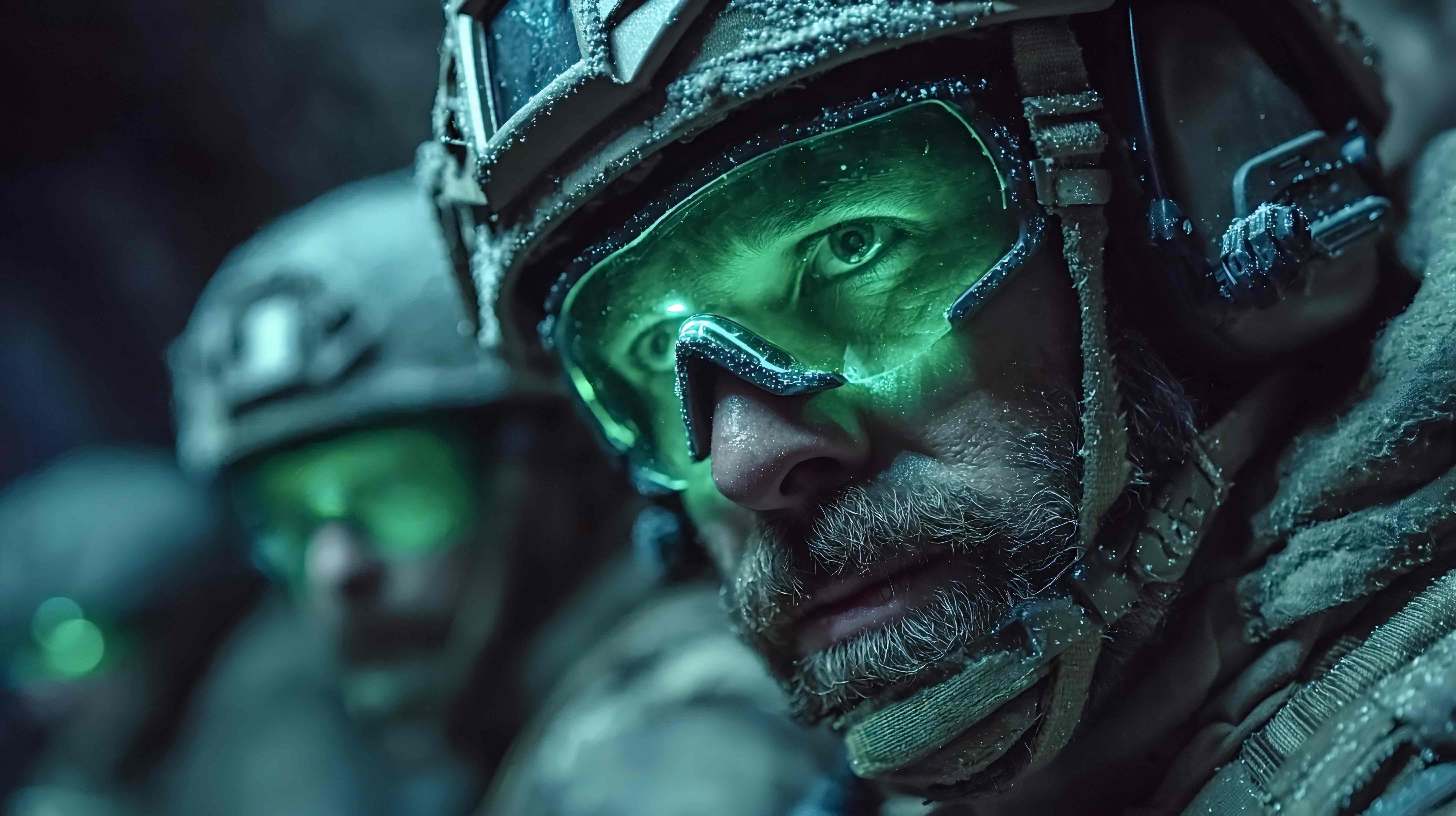
When most people think “cold,” they picture discomfort — a biting wind, numb fingers, maybe a miserable morning scraping ice off the windshield. But for Navy SEALs, cold isn’t an inconvenience — it’s a proving ground. It’s a force multiplier. It’s a teacher that strips away ego and reveals who you really are when your body wants to quit and your mind has to take over.
Cold-weather SEAL training, especially the infamous stretches in places like Kodiak, Alaska, is designed around one core philosophy:
The cold isn’t the enemy. Your lack of readiness is.
Below are the Navy SEAL cold-weather rules that translate directly into real-life resilience, preparedness, and grit — without needing a Trident on your chest to apply them.
1. If You’re Cold, You’re Already Late
SEAL instructors drill this into candidates early:
You don’t start preparing when the cold hits — you prepare so the cold never wins.
For civilians, this means three things:
Check the weather like your mission depends on it
Never “wing it” when temperatures drop. Look ahead, plan ahead, dress ahead.
Pre-stage your gear
A cold-weather go-bag is non-negotiable: gloves, beanie, thermal base layers, fire starter, hand warmers, and a dry pair of socks. Keep it in your car. Keep another at home.
Expect sudden change
Cold moves fast — storms, ice, wind shifts, nightfall.
If you wait until you’re shivering to react, you’ve already lost mobility, dexterity, and decision-making power.
2. Temperature Is Inevitable. Hypothermia Is Optional.
SEALs learn to operate for long stretches in freezing water — something most humans barely survive. The trick isn’t superhuman biology.
It’s superhuman discipline.
Civilians can adopt that same principle:
Stay Dry Like Your Life Depends on It
Moisture — sweat, rain, snow — is the fastest route to heat loss.
The rule: Cool your body before it has to cool itself.
Remove layers before exertion. Add them back immediately during rest.
Protect the Core
Your body will sacrifice your hands and feet to save your heart.
That’s why SEALs prioritize the “Big Three”:
Head – Chest - Back
Cover those, and the rest follows.
Know the Warning Signs
When your speech slurs, your hands stop working, or you feel “strangely warm,” that’s not discomfort — that’s a medical emergency.
React before you think you need to.
3. Slow Is Smooth. Smooth Is Warm.
In cold conditions, rushing is the enemy. SEALs are taught to move with intention, because fast, sloppy movements create sweat or mistakes — both of which get you killed in freezing climates.
For everyday life:
Don’t sprint through the cold. Pace it.
Walking briskly is better than lunging, running, or pushing hard enough to sweat.
Efficiency beats speed.
Plan your route, your gear changes, and your tasks.
Before you step outside, know exactly what you’re doing.
Warm hands = smart decisions.
If your hands are numb, you can’t work zippers, turn knobs, light fires, or use tools.
Warm slowly, stay warm deliberately.
4. Layer Like an Operator
Cold-weather layering isn’t fashion — it's physics. SEALs use a three-part system that civilians can mirror easily:
1. Base Layer (Wicks Sweat)
Merino wool or synthetic. Cotton is useless.
2. Mid Layer (Stores Heat)
Fleece, insulation, grid hoodies — the body heat bank.
3. Outer Layer (Shields You)
Windproof. Waterproof. Durable. Not optional.
The rule:
Add layers before you think you need them, remove layers before your body starts sweating.
4. The Body Follows the Mind — But Only If the Mind Is Trained
SEALs don’t survive weeks in sub-zero water because they enjoy it. They survive because they’ve conditioned their minds to endure discomfort without panic. Civilians can build this same mental armor:
Practice Controlled Exposure
Take a cold shower for 10–20 seconds at the end. Take winter walks without overdressing.
Learn how your body reacts.
Breathe With Purpose
Slow inhale. Slow exhale. This signals your nervous system that you are not in danger — even when the cold is screaming otherwise.
Use “Micro Goals”
SEAL candidates in freezing surf don’t focus on the whole evolution. They focus on making it to the next breath, the next minute, the next instruction. In cold-weather stress, break everything into small, winnable steps.
5. Two Is One. One Is None.
Redundancy is survival. In SEAL cold-weather missions, gear failure equals exposure, and exposure equals death. Civilians should adopt the same redundancy mindset:
Carry two ways to start a fire
Carry two warming items
Keep spare gloves and socks
Keep one set on your body, one in your pack
Have backup heat sources at home (propane, generators, battery packs)
Hope is not a plan. Redundancy is.
6. Rest Is a Weapon
In extreme cold, your body burns calories like a furnace. SEALs learn that without sleep, food, and micro-rest, cold becomes exponentially more dangerous.
Civilians often overlook this:
Eat for Heat
High-fat, high-calorie foods warm you from the inside out.
Hydrate
Dehydration thickens your blood and accelerates cold fatigue.
Before bed:
Warm the core
Dry your clothes
Eat something fatty
Use intentional breathing to drop stress levels
7. Your Attitude Is Your Thermostat
SEALs learn this truth early:
The body breaks after the mind quits — not before.
A hostile environment doesn’t decide your fate.
Your mindset does.
For civilians, that means:
Don’t catastrophize the cold
Don’t complain; assess
Don’t fear discomfort; train for it
Don’t freeze in place; make decisions
Don’t rely on rescue; rely on readiness
Cold rewards the prepared and punishes the passive.
Choose which side you want to be on
Final Takeaway: Become Harder to Kill
Survival isn’t luck — it’s discipline.
And discipline is available to anyone willing to adopt it.