%201.svg)


%201.svg)




For every service member dreaming of an assignment in Hawaii, Germany, or Japan, there's another who drew the short straw and is heading to a place known for its brutal weather, soul-crushing isolation, and a unique culture born from shared misery. While any duty station is what you make of it, some are objectively more challenging than others. Based on harsh environments, remote locations, and the legendary complaints of those who've served there, here are three of the worst duty stations in the U.S. military.
Fort Johnson (Formerly Fort Polk), Louisiana
They don't call it “Green Hell" for nothing. Located in the sweltering, swampy heart of Louisiana, Fort Johnson is legendary for its oppressive humidity, biblical swarms of insects, and venomous snakes. The primary mission here is the Joint Readiness Training Center (JRTC), where Army units from all over the country come to train in the most miserable conditions imaginable. For the soldiers permanently stationed there, life is a constant cycle of supporting these miserable rotations.
The nearby town of Leesville offers limited entertainment, leading to a pervasive sense of isolation. One popular, time-honored review passed down through generations of soldiers perfectly sums up the location: "Fort Polk isn't in the middle of nowhere, but you can see it from there." The combination of a demanding mission, an unforgiving climate, and being geographically separated from just about everything makes Fort Johnson a top contender for the worst assignment the Army has to offer.
Marine Corps Air Ground Combat Center, Twentynine Palms, California
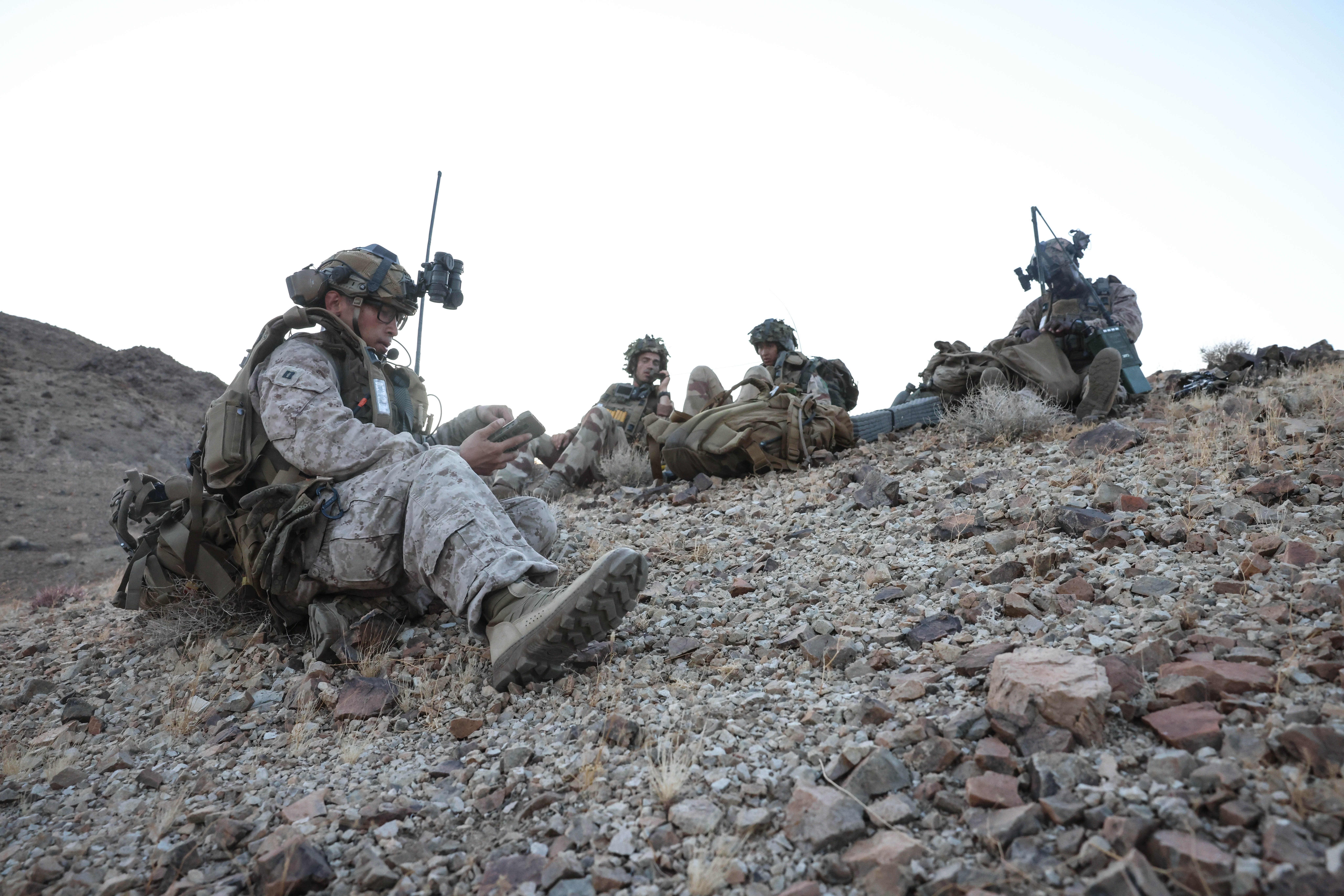
If Fort Johnson is the "Green Hell," then Twentynine Palms is its polar opposite: a sun-blasted purgatory. Located deep in the Mojave Desert, this massive base is where the Marine Corps goes to train for war in the desert. That means service members live and work in the environment they're training for, with summer temperatures routinely soaring past 115°F (46°C). The landscape is stark, barren, and unforgiving, dominated by sand, rocks, and the occasional Joshua tree.
Often called "29 Stumps" by Marines, the base is profoundly isolated. The nearest significant city, Palm Springs, is an hour's drive away, and major hubs like Los Angeles or Las Vegas are hours further. There is an open-air water treatment facility to aid the early morning smells that has its own Facebook fan page. A Reddit user on the r/USMC subreddit captured the sentiment perfectly, stating, "Enjoy the moon dust, 120-degree heat, 50mph winds, and the most beautiful sunrises/sunsets you’ll ever see. 29 Palms gives and it takes." The extreme heat and isolation create a challenging environment that tests the resolve of even the toughest Marines.
Minot Air Force Base, North Dakota
While the Army and Marines battle the heat, the Air Force has its own brand of misery in the far north. Minot Air Force Base in North Dakota is infamous for one thing: the soul-shatteringly cold winters. For months on end, the base is buried in snow, with temperatures plunging to -40°F (-40°C) and relentless winds making it feel even colder. This isn't just a chilly assignment; it's a fight against a hostile, arctic environment.
Its strategic importance, hosting a biolab, B-52 bombers, and Minuteman III intercontinental ballistic missiles, is the only reason for its existence in such a remote location. The isolation is extreme, and the weather limits outdoor activities for much of the year. The base's (and the town outside of it) unofficial and darkly humorous slogan, known to generations of airmen, says it all: "Why not Minot? Freezin's the reason!" For its combination of profound isolation and arguably the most brutal winter climate of any major military installation, Minot has firmly earned its place in the hall of fame of terrible assignments.