%201.svg)


%201.svg)




When military service members take their oath, they swear to support and defend the Constitution of the United States against all enemies, foreign and domestic. This oath has no expiration date. For millions of American veterans, the commitment to protect the nation and its founding principles continues long after they hang up their uniforms. This enduring sense of duty, forged in discipline and a deep understanding of sacrifice, makes the veteran community a unique and powerful backbone for civilian society. While they contribute in countless ways, through business, community leadership, and public service, their most profound impact is sometimes seen when they stand as a shield for their fellow citizens, even against their own government. History provides powerful examples of veterans organizing to defend the rights and liberties of Americans.
The Bonus Army (1932)
In the depths of the Great Depression, approximately 17,000 World War I veterans and their families marched on Washington, D.C. They were not seeking a handout, but the early payment of a service bonus Congress had promised them, which was not due until 1945. These veterans no longer believed the government would have enough money to pay them when due and were themselves broken by failed economic policies. Organized with military discipline, they established camps and peacefully petitioned the government for relief from crippling poverty. However, the government's response was one of hostility. President Herbert Hoover ordered the U.S. Army, led by then-Army Chief of Staff Douglas MacArthur, to disperse the "Bonus Army." The resulting images of active-duty soldiers using tanks, cavalry, and tear gas to drive out destitute veterans shocked the nation. While their immediate goal was not met, the Bonus Army’s stand against government indifference and force became a symbol of citizens demanding accountability and ultimately influenced the passage of the G.I. Bill a decade later, which reshaped the American middle class.
The Battle of Athens (1946)
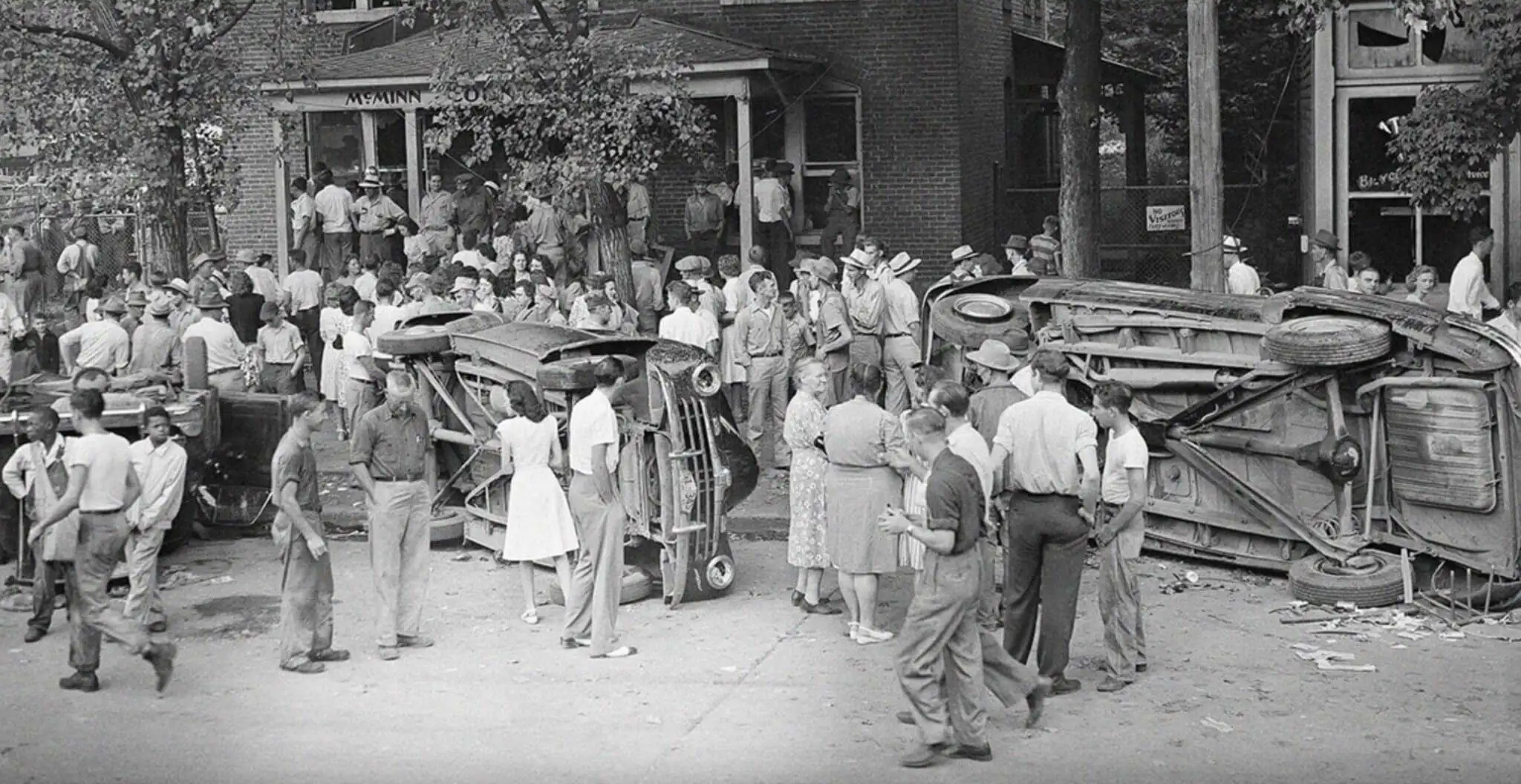
Perhaps the most dramatic example of veterans directly confronting government corruption occurred in Athens, Tennessee. After returning from fighting tyranny in World War II, a group of GIs were disgusted to find their home, McMinn County, controlled by a corrupt political machine that used voter intimidation and ballot-box stuffing to maintain power. When the 1946 election was predictably marred by violence and fraud at the hands of sheriff's deputies, the veterans decided they had not fought for freedom abroad only to see it stolen at home. They armed themselves, laid siege to the jail where the deputies had taken the ballot boxes and engaged in a firefight that forced the corrupt officials to surrender. The veterans secured the ballot boxes, ensured an honest count, and peacefully restored a legitimate government. This extraordinary event, known as the "Battle of Athens," stands as a stark reminder that veterans possess both the will and the skill to actively defend the democratic process against domestic threats.
The "Wall of Vets" (2020)
This protective instinct emerged during the highly charged civil unrest of 2020. In Portland, Oregon, nightly protests were met with a heavy-handed response from federal agents deployed to the city. As tensions escalated, a group of veterans organized to form the "Wall of Vets." Dressed in T-shirts identifying their branches of service, they formed a disciplined, unarmed line between the protestors and the federal forces. Their mission was not to participate in the protest itself, but to protect the First Amendment rights of the citizens behind them. Using their military bearing and de-escalation skills, they stood as a stoic, non-violent barrier, absorbing tear gas and projectiles. Their presence drew national attention to the nature of the federal response and demonstrated a modern application of the veteran's oath: upholding the Constitution by physically shielding the right to peaceful assembly from perceived government overreach.
From the first man to swear the oath of enlistment, veterans have repeatedly answered a call to service that extends beyond the battlefield. Their training, discipline, and unwavering commitment to the nation's founding ideals make them a formidable force for civic good and a vigilant guardian of American liberties. They are not simply a group to be honored on holidays, but an active, essential part of the nation's backbone, ready to stand in the gap when the rights of their fellow citizens are threatened.