If Memes Are Illegal, We’re All in Trouble – Tourist Reportedly Sent Home for Having a Bald JD Vance Meme on His Phone
It was probably the pipe, but why was it so easy to believe otherwise?
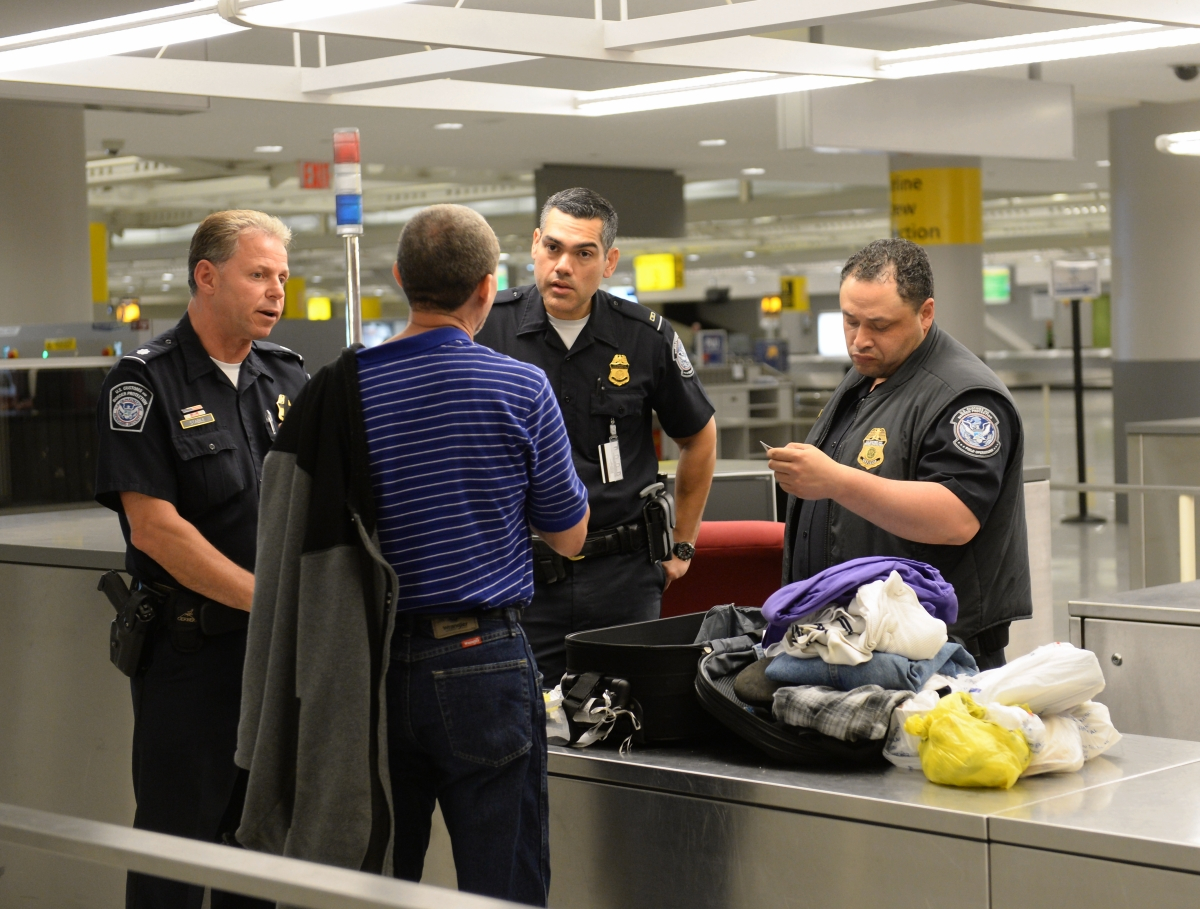
A recent incident at a U.S. airport has sparked controversy over digital privacy, government overreach, and the fundamental principles of free speech. In late June 2025, Mads Mikkelsen, a 21-year-old Norwegian tourist, was denied entry into the United States at Newark Liberty International Airport. The reason for his deportation is now at the center of an international discourse, with Mikkelsen claiming it was due to a political meme of Vice President J.D. Vance found on his phone, a charge U.S. officials flatly deny.
Mikkelsen alleges that after being detained, U.S. Customs and Border Protection (CBP) agents pressured him to unlock his phone, where they discovered a saved image - a popular meme depicting a cartoonishly bald J.D. Vance. He recounts an hours-long ordeal of interrogation about extremism and says he was ultimately put on a flight back to Norway. The story quickly went viral, fueling outrage and accusations that the U.S. was policing political humor.
In a swift rebuttal, U.S. officials have stated that Mikkelsen’s claim is false. Both the Department of Homeland Security and CBP assert that the denial of entry was not due to "any memes or political reasons," but was a result of Mikkelsen’s own "admitted past drug use," which can be grounds for inadmissibility under U.S. immigration law.
Regardless of the official reason in this specific case, the incident casts a harsh spotlight on the precarious state of free expression at the border. The power of government agents to search personal electronic devices without a warrant has long been a concern for civil liberties advocates, over several administrations. For non-citizens, refusing such a search can result in immediate denial of entry, creating a chilling choice between privacy and access.
This incident pushes the boundary from privacy into the realm of political thought. The ability to criticize and satirize political leaders is a cornerstone of any free and democratic society. Memes, however juvenile or absurd, are a modern form of political cartoon - a way for the public to engage with, process, and critique the actions of those in power. If a traveler can be denied entry because they possess a digital image that lampoons a government official, it suggests that the price of admission to the United States is forfeiting a fundamental aspect of free speech.
Such a precedent, real or perceived, is corrosive. It creates an environment where visitors may feel compelled to scrub their digital lives of any political opinion, satire, or criticism that could be misinterpreted or disliked by a border agent. This discourages the very open discourse and exchange of ideas that free nations purport to champion. While every country has the sovereign right to control its borders, a claim no rational person disputes, that power must be wielded with caution. When security measures risk penalizing political expression - especially in the form of a ridiculous meme that isn’t even the best one out there - it undermines the very values of liberty that the border is meant to protect.