Hollywood Horror vs Real World Hardware - A Tactical Analysis
Hack and slash is one thing, but at some point you need a plan. Or more bullets.
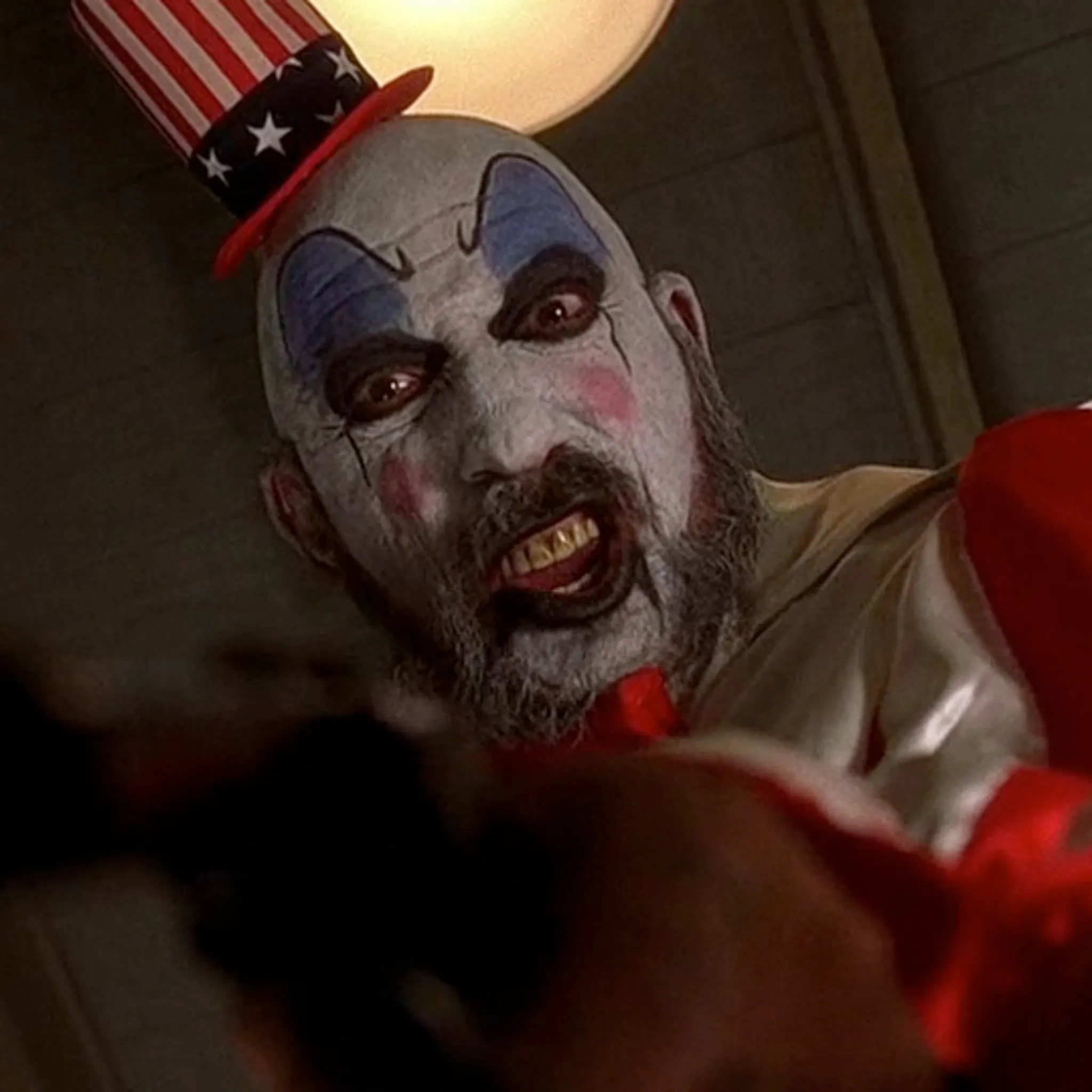
Horror movie villains are masters of terror, but how would their iconic weapons stack up in a real-world throwdown? We often see our heroes fumbling for a weapon while the killer calmly brandishes some medieval farming tool, but is it their seemingly inhuman strength or the weapon itself that provides them with advantage? Let's break down the tactical pros and cons of three classic slasher sidearms.
Freddy Krueger's Glove - The Apex of Intimidation
On the surface, a glove with razor-sharp knives attached seems like a fantastic idea, especially for close-quarters combat. It essentially turns your hand into a weapon, eliminating the risk of being disarmed. This concept isn't new; historical weapons like the Indian katar (punch dagger) and the Japanese tekko-kagi (tiger claws) operated on a similar principle, turning a punch into a lethal stab or slash.
Tactical Value - In a real fight, the psychological impact would be immense. Nobody wants to get into a fistfight with a guy who can julienne them with a jab. It's an excellent tool for intimidation.
The Downside - Let's be practical. How do you open a door? Reload a weapon? Send a threatening text message? The glove is a one-trick pony. Its greatest weakness is its user's complete inability to perform basic tasks. Furthermore, the long blades create a significant risk of self-injury. Imagine having an itch on your nose. A moment of forgetfulness and you're auditioning for the role of the Joker. It's a high-impact, high-risk weapon that is ultimately more trouble than it's worth.
Jason Voorhees' Machete - Simple, Brutal, and Surprisingly Effective
Jason Voorhees, the silent killer of Crystal Lake, is a man of simple tastes. While he's used everything from a spear gun to a sleeping bag, his go-to weapon is the machete. And honestly, it’s a brilliant choice. A machete is, at its core, a tool. It’s heavy, durable, and designed for hacking through dense vegetation. It requires no reloading, no special training, and it’s terrifyingly effective at close range.
Tactical Value - The machete is a fantastic multi-purpose weapon. It can chop, slash, and even stab. Its weight provides significant momentum, allowing for devastating blows that can easily sever limbs. Unlike a knife, its length gives the user a slight reach advantage. It’s also incredibly durable and requires minimal maintenance. You can find one in any hardware store, making it a convenient choice for the spontaneous psychopath.
The Downside - It’s strictly a close-range weapon. A person with a firearm or even a longer melee weapon like a spear could potentially keep a machete-wielding attacker at bay. It’s also cumbersome to conceal. Walking down the street with a machete is generally frowned upon and tends to attract the wrong kind of attention... Or the right kind, depending on your mission objective.
Captain Spaulding's Revolver - Deceptively Simple and Deadly
Amidst a sea of elaborate and often impractical horror weapons, Captain Spaulding from House of 1000 Corpses stands out for his sheer pragmatism. While his appearance is anything but conventional, his weapon of choice is often a simple, no-nonsense revolver.
Tactical Value - In a world of chainsaws and bladed gloves, a gun is king. A revolver is reliable, powerful, and requires minimal effort to use effectively. It offers a significant range advantage over almost every other slasher weapon. While Freddy is trying to get close enough to slash, and Jason is lumbering forward with his machete, Captain Spaulding can end the fight from a safe distance with a simple pull of the trigger. It’s the epitome of "work smarter, not harder."
The Downside - Ammunition is finite. Unlike a machete, a gun can run out of bullets, and reloading a revolver under pressure can be tricky. It's also loud, immediately drawing attention to your location. Still, in terms of pure tactical efficiency, the creepy clown with the gun is a clear winner. It's a stark reminder that in a real fight, you don't need a gimmick; you just need what works.