Silent Professionals: Why the Best Defenders Don’t Broadcast Readiness
Preparedness does not need branding, and strength does not need validation.
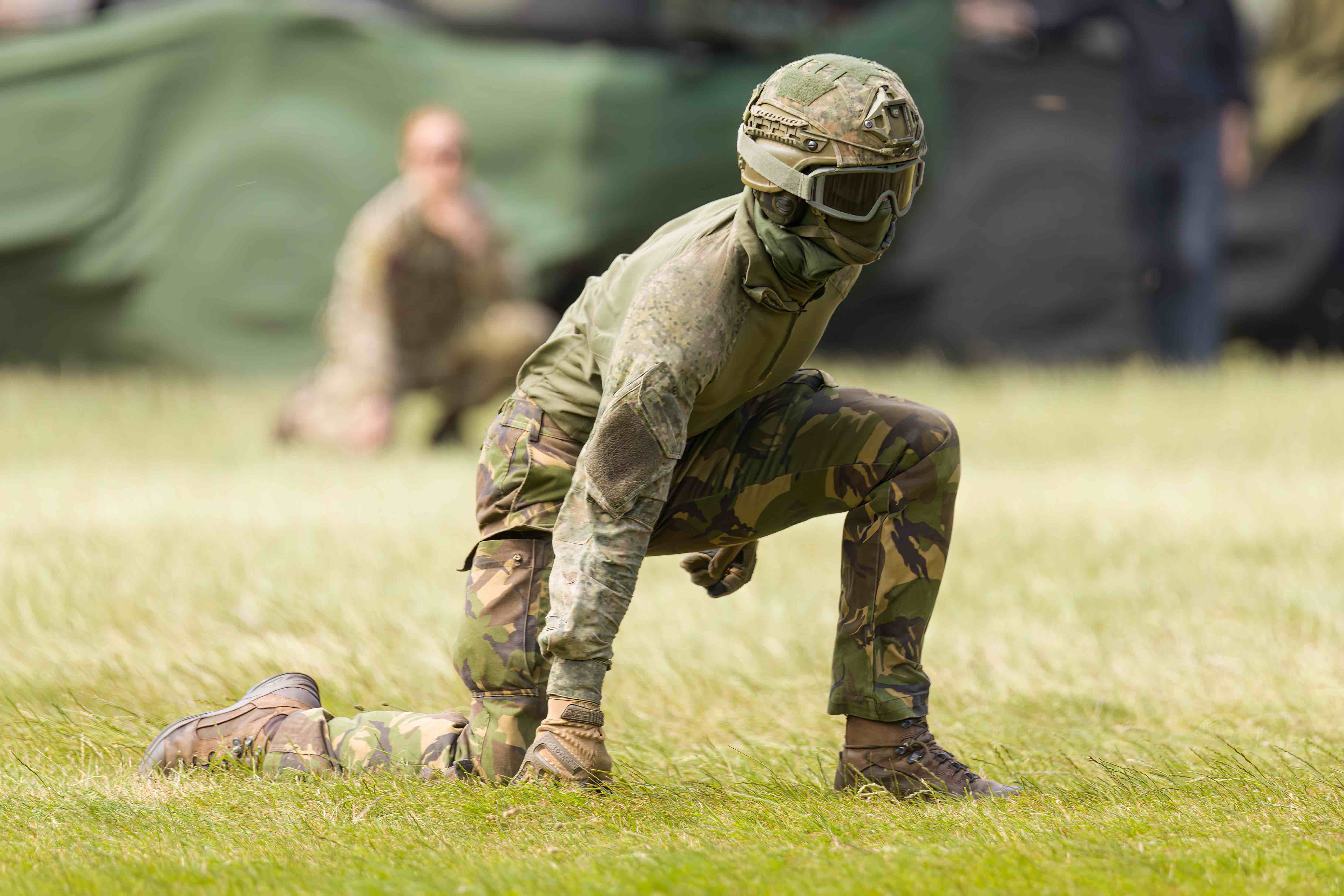
Security Through Humility
In a culture that rewards visibility, noise, and constant self-promotion, real preparedness has become increasingly misunderstood. The loudest people are often assumed to be the most capable, while those who move quietly are overlooked. In reality, the opposite is usually true. The most competent defenders rarely announce themselves, because they understand a fundamental principle: visibility creates vulnerability.
Broadcasting readiness may feel empowering, but it often signals insecurity rather than strength. When someone feels compelled to prove how prepared they are—by posting, flexing, or signaling—it usually means they are seeking validation instead of building capability. True readiness does not require applause, and it does not benefit from attention. It benefits from restraint.
Over time, preparedness has been turned into performance. Loadouts are displayed, training sessions are filmed, and gear is curated for public consumption. While this content may look impressive, it introduces unnecessary risk. Real preparedness is not a visual identity or an online persona. It is a private discipline rooted in consistency, judgment, and humility. Those who take it seriously understand that the goal is not to be seen as capable, but to actually be capable when it matters.
Competence is quiet by design. People who genuinely know what they are doing understand that attention attracts problems, ego creates blind spots, and humility keeps them alive. Silence, in this context, is not secrecy for its own sake. It is a deliberate form of risk management. Choosing not to advertise capability preserves flexibility and reduces exposure.
Every time someone publicly showcases what they can do, they provide useful information to people who may not have good intentions. Routines become predictable. Mindsets become visible. Limitations become obvious. That information does not disappear once it is posted; it accumulates. The internet remembers, and so do adversaries. Whether the threat is criminal, ideological, or institutional, the rule remains the same: do not map yourself for people who do not need directions.
Ego is one of the greatest threats to survival. Ego demands recognition, while survival demands restraint. History does not remember how loud defenders were. It remembers who endured. Discipline consistently outperforms display, because strength does not need witnesses and confidence does not need confirmation. When ego leads decision-making, judgment inevitably follows it into failure.
Those who operate quietly tend to train harder, not because they want to be admired, but because no one is watching. That absence of attention forces honesty and consistency. It is also why those individuals are trusted when stakes are high. They have nothing to prove, and that makes them reliable.
This principle extends beyond preparedness into masculinity itself. Real masculinity is not theatrical or performative. It is functional. It does not seek dominance through volume or spectacle. Instead, it establishes stability through presence, restraint, and responsibility. Strength that constantly needs to flex is not strength; it is insecurity wearing confidence as a costume.
The strongest men and women listen more than they speak. They prepare without broadcasting and act without announcing their intentions. They do not threaten or brag. They remain ready and allow results to speak on their behalf. That level of restraint is not weakness. It is control.
Silence is also a force multiplier. When capability is not advertised, options remain open. Adaptation becomes easier. Surprise remains possible. Leverage is preserved. Noise, on the other hand, burns advantage quickly. Calm creates space for better decisions, while chaos benefits those who seek control.
Veterans understand this instinctively. Those who have served learn early that operational humility is essential. You do not talk about what you are capable of, what you have done, or what you are preparing for. You simply stay ready. That mindset is not accidental; it is learned through experience and reinforced by consequences.
The most honorable service often goes unseen, not because it lacked significance, but because it did not require witnesses. Unfortunately, that mindset is fading. In a world obsessed with documentation and validation, the quiet discipline that once defined preparedness is being replaced by performance. That shift comes at a cost.
Preparedness does not need branding, and strength does not need validation. The only opinion that truly matters is the one you face in the mirror each day. The best defenders move quietly, train consistently, and remain humble. They do not broadcast their readiness. They do not posture for attention. They do not perform for approval.
They protect.