New Research Links Burn Pit Exposure to Mental Health Disorders
The mental toll of burn pit exposure
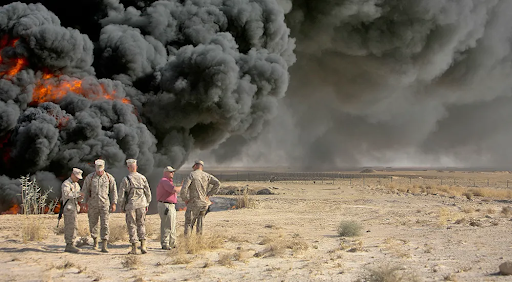
As the long-term consequences of GWOT deployments continue to unfold, new research is shedding light on a previously overlooked threat: the mental toll of burn pit exposure. A study featured in the Journal of Occupational and Environmental Medicine indicates a relationship between burn pit exposure and an increased instance of mental health disorders and brain injuries. This study included experts from Brown University, Harvard University, and the Department of Veterans Affairs (VA) examining the deployment and medical records of approximately 44,000 soldiers and airmen who deployed between 2001-2011. Those deployed to bases with large burn pits demonstrated higher rates of brain damage and other injury as well as Anxiety and Post-Traumatic Stress Disorder (PTSD).
Servicemembers were twice as likely to be diagnosed with anxiety if they spent a minimum of four months at a base that had a burn pit compared to those at locations that did not burn their garbage. Nearly 29% of service members diagnosed with severe stress had spent at least 130 days at a base with a burn pit, compared with roughly 13% who were deployed to cleaner locations. Of the 44,000 service members tracked, 979 died by suicide involving firearms. Alarmingly, 90% of those individuals had spent at least 129 days at a base with a large burn pit.
Used to dispose of garbage, medical waste, plastics, batteries, office equipment, tires, ammunition and other items, burn pits released hazardous emissions. Researchers theorize that such emissions serve as endocrine disruptors, effectively inflaming the brain. Recent scientific research has correlated exposure to endocrine disruptors with mental health struggles. However, it is important to note that this finding does not factor in experiencing combat or blast exposure– both variables that can impact mental health. It also did not take the timing of these diagnoses respective to burn pit exposure into account. However, the large sample size “heighten(s) concerns about the potential of long-term health impact of exposure to burn pits”. For many veterans, these findings may validate years of unexplained health struggles and mental anguish.
While more research is needed to fully untangle the complex relationship between burn pit exposure and mental health, the data paints a troubling picture. The elevated rates of anxiety, PTSD, brain injuries, and suicide among those stationed near burn pits underscore the urgent need for continued investigation, accountability, and care for affected veterans. Additionally, burn pit exposure may be another puzzle piece in the VA overmedication crisis.