The Betrayal of Valor - When Veteran Brands Abuse Public Trust
Our money is not bottomless, but our memory of being ripped off is.
In the landscape of American consumerism, few labels carry as much weight and immediate trust as "veteran owned." The public, eager to show gratitude for military service, often bestows an instant halo of integrity, discipline, and patriotism upon these businesses. This goodwill is a strong currency, one that the vast majority of veteran entrepreneurs honorably uphold. However, a troubling minority exploits this veneration, wrapping themselves in the flag to mask deceptive practices, push polarizing ideologies, or simply make a profit at the expense of the very community they claim to represent. When this sacred trust is broken, it not only harms consumers but also tarnishes the reputation of countless legitimate veteran businesses. For this reason, a discerning public should be prepared to hold these actors accountable, even if it means resorting to a boycott.
The exploitation of veteran status can manifest in several ways, from outright fraud to more subtle, insidious forms of brand manipulation. The core of the issue lies in the monetization of honor. These brands understand that "veteran owned" is not just a descriptor but a marketing strategy that can short-circuit consumer skepticism. This creates a vulnerability that some are all too willing to exploit. When a brand uses its veteran affiliation as a shield to sell subpar products, misappropriate funds, or promote harmful narratives, it is committing a form of "stolen valor" in the marketplace.
Old Southern Brass
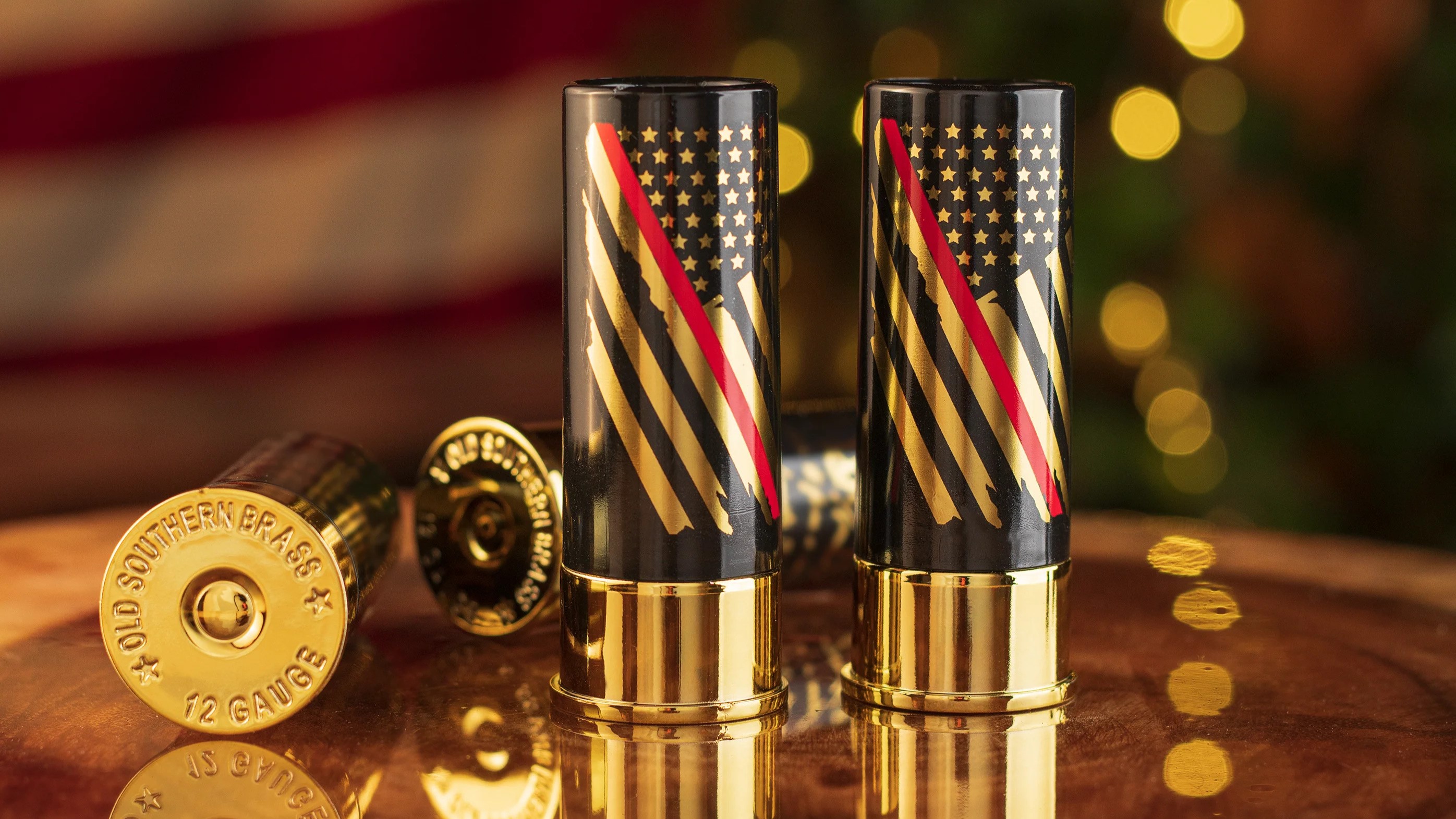
A clear-cut case of fraudulent representation comes from the Federal Trade Commission's (FTC) action against EXOTOUSA LLC, which operated as Old Southern Brass. The company, which sells items like drinkware and apparel, built its brand on three key pillars: that its products were made in the USA, that it was a veteran-operated company, and that it donated 10% of its sales to military charities. According to the FTC, all three of these claims were false. The agency found that numerous products were wholly imported and that the company’s owner, Austin Oliver, was not a veteran. Furthermore, the company could not substantiate its charitable donation claims. In a settlement finalized in January 2024, the company was forced to stop its deceptive advertising and pay a monetary judgment, a stark example of a brand fabricating a veteran connection for commercial gain.
Wounded Warrior Project (Pre-2016)
While a non-profit rather than a for-profit brand, the Wounded Warrior Project scandal of 2016 serves as a powerful cautionary tale about how the mission to "honor and empower" veterans can go astray. News investigations revealed that the charity was spending lavishly on itself, with reports of exorbitant conferences at luxury resorts, excessive travel expenses, and high overhead costs. One report noted that spending on conferences and meetings ballooned from $1.7 million in 2010 to $26 million in 2014. While the organization was providing valuable services, this misuse of donor funds (given by a trusting public that believed their money was going directly to aid wounded veterans) represented a profound betrayal. The ensuing public outcry led to the firing of top executives and significant reforms within the organization, demonstrating that accountability can be enforced when the public demands it.
Black Rifle Coffee Company
A more complex and culturally significant example is Black Rifle Coffee Company. The veteran-founded company achieved massive success by positioning itself as the pro-gun, pro-military, and pro-police coffee brand. However, it has been embroiled in numerous controversies that highlight the perils of weaving a veteran identity into polarizing political discourse. The brand has been criticized for cultivating a "vet-bro" culture and has had to publicly distance itself from extremist figures who have co-opted its merchandise. For many consumers, the expectation when supporting a "veteran-owned" brand is one of unifying patriotism. By aligning with divisive political stances and figures, BRCC has been accused of abusing that trust, alienating customers who wished to support veterans without endorsing a specific political agenda. The company's struggles illustrate a betrayal not of a financial or legal nature, but of the trust that a veteran-focused brand will represent the broader, diverse veteran community rather than a narrow, politically charged faction.
The Case for Consumer Accountability
Boycotting a brand that wraps itself in the American flag can feel counterintuitive, even unpatriotic. However, the opposite is true; turning a blind eye to the misuse of a veteran identity for commercial or political exploitation does a disservice to the entire military community. It allows the honor earned through service to be diluted into a cheap marketing tactic.
Holding these companies accountable through conscious consumerism is not an anti-veteran act; it is a pro-integrity act. It sends a clear message that the public's respect for veterans is not a blank check. A boycott serves to protect the vast majority of veteran entrepreneurs who conduct their businesses with the same honor and integrity they displayed in uniform. It forces accountability and encourages a marketplace where the "veteran-owned" label is a genuine reflection of character, not a cynical ploy. Ultimately, consumers have the power and the responsibility to be vigilant, to research the brands they support, and to ensure that their dollars are rewarding genuine virtue, not just the appearance of it.