Winter Warriors - American Military Traditions Forged in the Cold
Suffering can also be healing, if done with the right mindset.
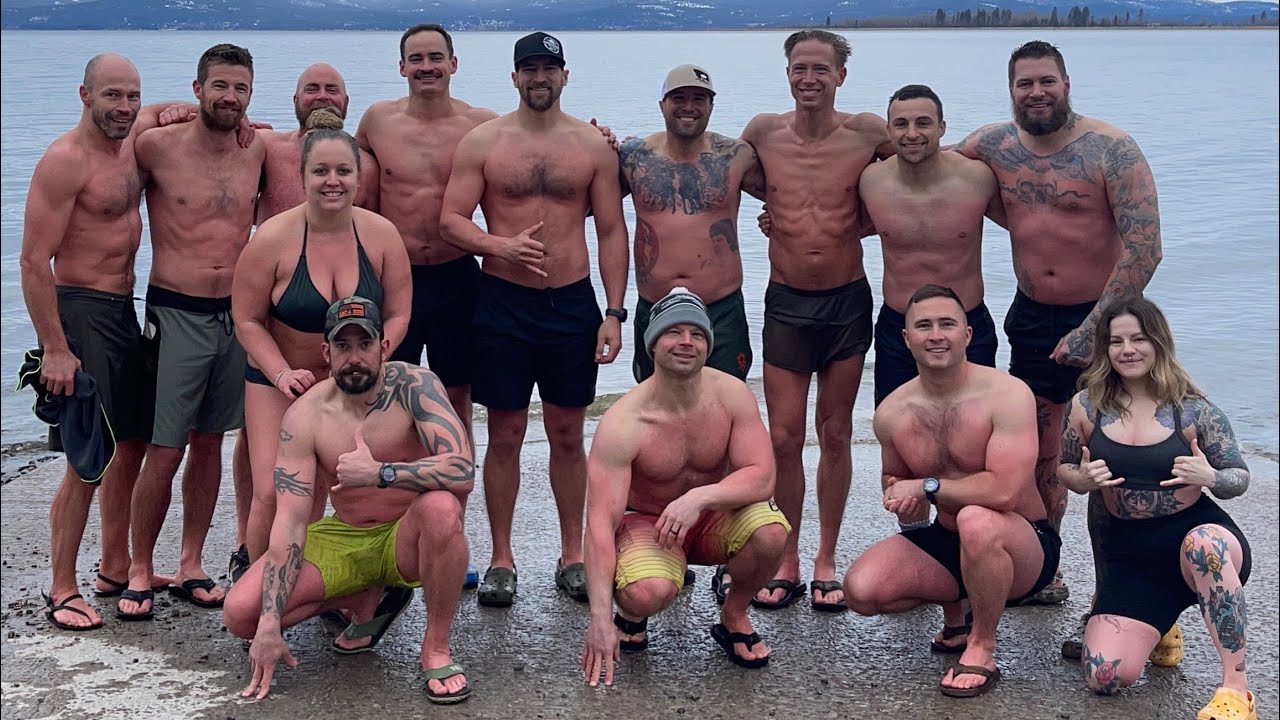
Winter, with its inherent hardships and demands for discipline and endurance, has deeply influenced American military culture. For those who have served, the season is an opportunity to uphold traditions that reinforce unit cohesion, celebrate survival, and honor those who came before. These are the hardy winter traditions of the US military, shaped by necessity and upheld by veterans.
The Winter Field Training Exercise (FTX)
A core tradition, particularly the Army and Marine Corps is the Winter Field Training Exercise. This is a ceremonial test of a unit's collective will against the elements; from the frigid plains of Fort Drum, NY, to the mountains of Alaska, units intentionally subject themselves to deep snow, low temperatures, and high winds.
The Mindset - The tradition embodies the principle that "if we can fight here, we can fight anywhere." It reinforces the warrior ethos of finding comfort in the uncomfortable. Veterans carry this mindset forward, often participating in or leading challenging cold-weather survival courses for civilians or youth groups, passing on life-saving skills like snow shelter construction and managing hypothermia.
The Gear Grind - The FTX tradition emphasizes mastering gear under duress, maintaining weapons, starting vehicles, and erecting tents with freezing, clumsy fingers. This meticulous attention to detail under stress is a practical skill veterans bring back to any civilian winter challenge.
The Polar Plunge and Cold-Water Immersion
The deliberate act of immersing oneself in freezing water, often called the Polar Plunge, is a widespread, if slightly insane, military tradition. While sometimes done for charity (a civilian uptake), within units, it's a symbolic initiation or celebration of toughness, particularly in units such as Marine Corps infantry who drop into the ice hole when participating in joint operations in Norway.
The Purpose - This tradition stems from the necessity of understanding the shock and physiological response of cold water, a reality for sailors, aviators, and coastal operators. It strips away pretense and puts everyone on equal footing, proving that mental fortitude can override physical pain.
Veteran Engagement - Veterans often participate in organized Polar Plunges across the country to raise money for fellow service members or military charities, turning the act of physical suffering into an expression of enduring unit loyalty and service.
Wreaths Across America - The Vigil of Remembrance
While not exclusively a military function, Wreaths Across America has become an indispensable and solemn winter tradition upheld predominantly by veterans, active-duty members, and their families. Every December, millions of wreaths are placed on the graves of fallen service members at Arlington National Cemetery and thousands of other locations.
The Commitment - This tradition requires volunteers to stand vigil and travel, often in bone-chilling cold, to ensure every grave is honored. It’s a physical demonstration that their fallen comrades are never forgotten, especially during the holiday season. The commitment to endure the cold and the physical effort of handling thousands of wreaths reinforces the veteran's foundational duty to honor the memory and sacrifice of the military community. More importantly, ask a veteran if they would rather be somewhere else and watch the look on their face… Preferably from several feet away.
Sustaining the Ethos - This tradition ensures that the military values of honor, duty, and sacrifice are publicly displayed and actively perpetuated during the winter, offering a profound sense of purpose that continues long after service concludes.
These winter traditions, rooted in the necessities of combat and survival, are enduring expressions of the real American warrior ethos. They are vital ways veterans continue to serve, test their limits, and honor the unbreakable bonds forged in the cold.