%201.svg)


%201.svg)


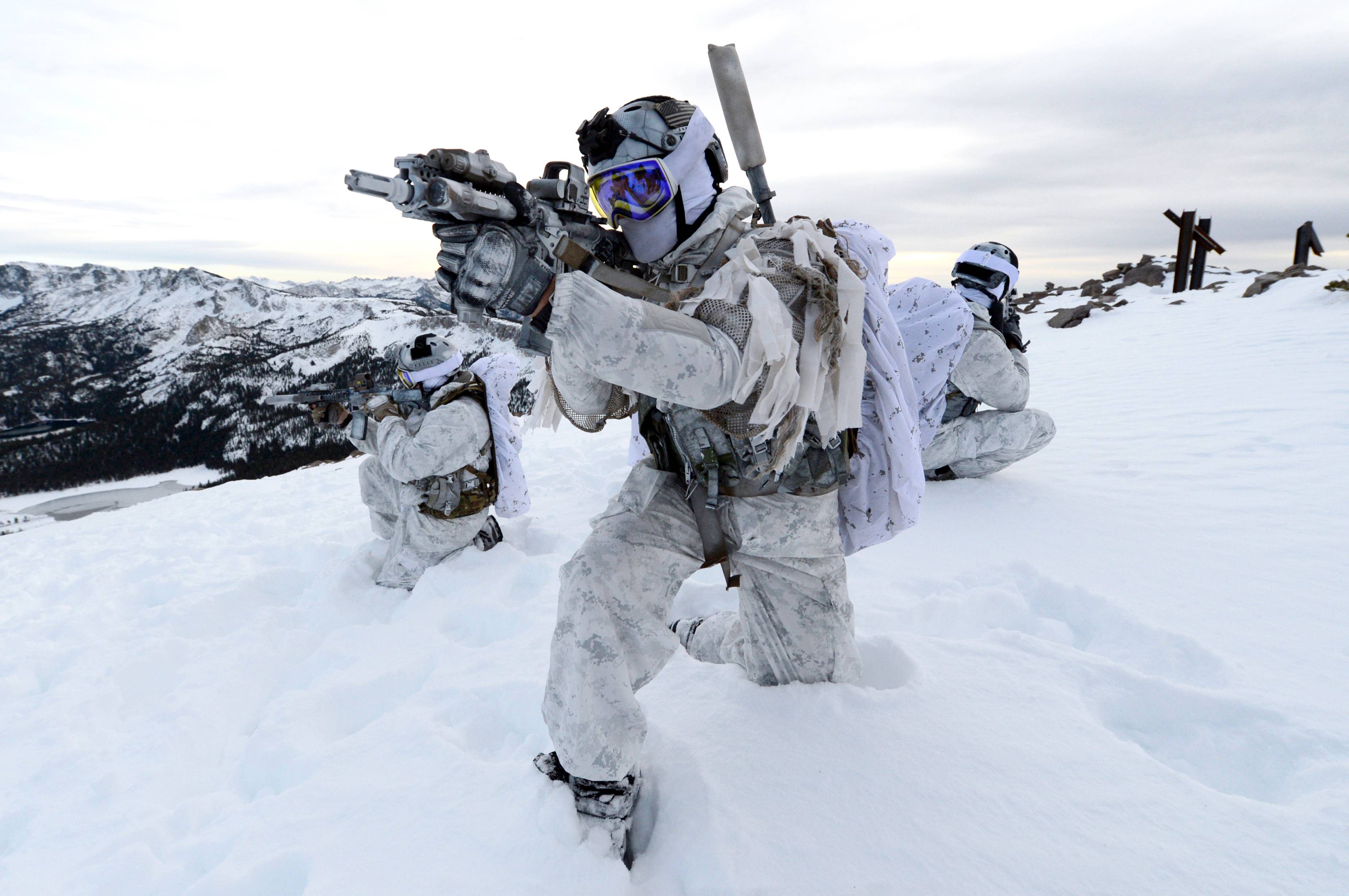


In extreme cold, the battlefield environment becomes an adversary as deadly as any human opponent. For warfighters operating in mountains, Arctic regions, or deep winter conditions, their Everyday Carry (EDC) kit is fundamentally different from a standard loadout. EDC shifts from general utility to items critical for immediate survival, equipment function, and mission endurance. Ignoring cold-weather essentials can quickly lead to frostbite, hypothermia, and mission failure.
Here are the five most critical EDC items for warfighters in cold weather, prioritizing effectiveness and survival.
Insulated Mittens (Over-mitts)
Gloves, while offering dexterity, fail to retain heat as effectively as mittens. The most critical cold weather handwear is a pair of insulated over-mittens that can be quickly donned over primary gloves or liners. If you can get your hands on gloves with mitten toppers, even better.
Why it Matters - Fingers are the first casualty of severe cold. Mittens allow fingers to share warmth, dramatically slowing the onset of frostbite. The over-mitt design allows the operator to maintain fine motor skills (weapon manipulation) with thinner gloves, then quickly encapsulate their hands for recovery during downtime or movement.
Equipment Suggestion - High-loft, synthetic-fill mittens (like those using PrimaLoft or similar materials) with a durable, water-resistant exterior. Look for versions with a gauntlet to cover the wrist/cuff gap.
Multi-Fuel Lighter and Fire Starter
The ability to generate emergency heat, purify water (by melting snow), or signal is non-negotiable. Cold renders batteries weak and damp conditions make traditional methods challenging.
Why it Matters - A small, sustained heat source can mean the difference between life and death. In a survival scenario, melting snow is the only safe way to stay hydrated, and fire is the only way to warm chilled extremities before hypothermia sets in.
Equipment Suggestion - A Zippo-style lighter using fluid (which ignites reliably in cold) combined with a robust ferrocerium rod (Ferro Rod) and a container of tinder (cotton balls or dryer lint soaked in petroleum jelly). The rod works even if wet, providing redundancy when chemical lighters fail.
High-Calorie Emergency Ration
Metabolic heat is the body's primary defense against the cold. In physically demanding environments, a soldier must be able to replenish energy rapidly. This doesn’t discount MREs but consider alternatives that are more compact and cold resistant.
Why it Matters - Energy depletion leads to shivering inefficiency and a loss of core temperature. An immediate, high-calorie injection stops the body from cannibalizing its own energy stores needed for warmth and mental focus.
Equipment Suggestion - A compact, non-freezing, high-fat/high-sugar energy bar (like a compressed survival bar or nutritional paste) or sealed packets of peanut butter or nut butter. The item must be resilient to freezing and easily consumed without having to use a stove.
Insulated Seat Pad/Bivy Sack
Heat loss through conduction is immense, particularly when stationary. A soldier frequently must stop, observe, or rest directly on snow or frozen ground. Losing heat to the earth in the prone position is a good way to fall asleep during extended watch, which might be your last mistake.
Why it Matters - The ground is a massive heat sink. A layer of insulation between the operator and the ground prevents rapid conductive heat loss, preserving energy and core temperature while static. It is a lighter, more compact alternative to a full sleeping mat.
Equipment Suggestion - A lightweight, foldable Closed-Cell Foam sit pad (Z-Rest or similar material), or a lightweight, compact emergency bivy sack which can be used as a waterproof, thermal shell for the lower body when stationary. Keep in mind, mylar makes a LOT of sound, pick something else.
Spare Batteries (Stored Warm)
The cold rapidly degrades battery life and performance. Modern warfighting equipment like NVGs, radios, GPS, and weapon lights are entirely dependent on battery power.
Why it Matters - A dead battery is a dead piece of equipment, and mission-critical gear failure in the cold is often fatal. Storing spare batteries close to the body (inside a uniform pocket or jacket layer) preserves their temperature, maximizing their charge life when deployed.
Equipment Suggestion - Multiple spare sets of the most mission-critical battery types (typically CR123A, AA, or 18650) sealed in a waterproof container or bag. Always carry at least one spare battery for your primary radio and your headlamp.
These five items form the non-negotiable core of a cold-weather EDC, providing immediate solutions for the most common threats faced by warfighters in severe winter environments: loss of dexterity, inability to make fire, energy depletion, conductive heat loss, and equipment failure.